15 minute read
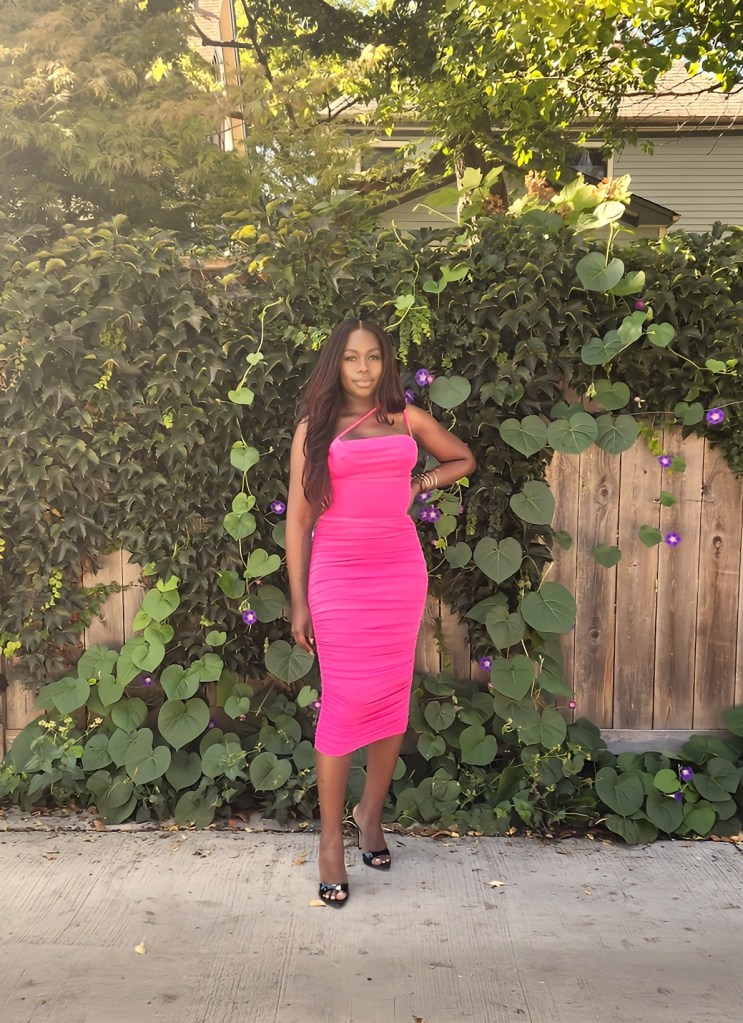
In the blink of an eye, life can take a sharp turn. One moment, you’re a 33-year-old woman, embracing life’s twists and turns, and the next, you’re on the receiving end of a phone call that changes everything – a doctor’s somber voice revealing the harsh reality: “You have triple-positive breast cancer.”
A Suspicious Discovery
Rewind to August 2021, just after undergoing surgery for endometriosis. A visiting friend inadvertently uncovered a secret I hadn’t shared with anyone. A lump in my breast, previously unnoticed, became a palpable concern. I summoned the courage to voice my unease; her concerned expression spoke volumes.
Navigating the unfamiliar healthcare territory in the United States as a newcomer, I contacted my gynecologist. The urgency of the situation led to an immediate appointment. However, his reassurance did little to quell the growing unease. Dense breast tissue and my youth warranted further investigation.
The Waiting Game
The prospect of waiting until the end of November, some two months, for an ultrasound appointment seemed unfathomable. Anxiety gnawed at me, propelling me to explore alternatives. A search through insurance networks yielded a ray of hope – an ultrasound facility just 12 minutes from my home willing to see me the next day.
I shared the news with my ever-optimistic mother, whose soothing words comforted me. “It’s probably just a cyst,” she reassured me, clinging to hope like a lifeline. Little did we know, the journey ahead held far more weight than we could have imagined.
That night, as I lay in bed, unable to escape the clutches of worry, I couldn’t help but replay the conversation with my gynecologist in my mind. “Probably nothing to worry about,” he had said, but those words offered little solace. The darkness of the unknown loomed more significant than ever, and the lump in my breast felt like an ominous presence, a silent harbinger of uncertainty.
The following day, I embarked on the short journey to the ultrasound facility, my heart pounding with trepidation. As I sat in the waiting room, surrounded by the hum of whispered conversations and the faint scent of hand sanitizer due to still being in the COVID-19 pandemic, I clung to the hope that my mother’s optimism had instilled in me. Perhaps this was just a minor hiccup, a blip on the radar of my otherwise healthy life.
With her gentle demeanor, the ultrasound technician performed the procedure, her face giving away nothing. But as I watched the screen, the lump on my breast came into focus, stark and undeniable. The doctor’s words echoed in my mind, “areas that needed further review.” The shadows of uncertainty deepened, and I could no longer suppress the rising tide of fear.
I went home that day, still somewhat optimistic, and waited for the call to determine my journey’s next steps. Little did I know that the waiting game was beginning, and the rollercoaster of emotions I was about to embark upon would challenge every ounce of my strength and resilience.
While at home, my mind swirled with thoughts, and I couldn’t shake the feeling of impending doom. Alone in my apartment, the weight of my situation bore down on me like a leaden cloak. I needed to share this burden, to let someone else into my world of uncertainty. So, I called my big brother, who had always been a pillar of strength in my life. His voice, filled with unwavering support, carried through the phone. “We’ll deal with it together,” he assured me, never once uttering the dreaded “C” word. At that moment, our unspoken pact was forged, a silent promise that no matter what lay ahead, we would face it as a united front
The Dreaded Diagnosis
Almost two weeks later, ultrasound number two and the unsettling presence of another lump beside the first sent chills down my spine. The same technician, a doctor, and a trainee nurse entered the room, their faces betraying no hint of empathy. In her strong Polish accent, the doctor uttered words that would haunt me: “We need to get a biopsy done; I see calcification. I think you have cancer.”
Casual, clinical, cold.
Tears filled my eyes as the word ‘cancer’ cut through the air. There was no comforting touch, no soothing words. I was left to gather my emotions and dress myself, a storm raging inside me. As I emerged from the examination room, I was met with the oblivious receptionist, unaware of the life-altering news I’d just received.
The Lonely Drive Home
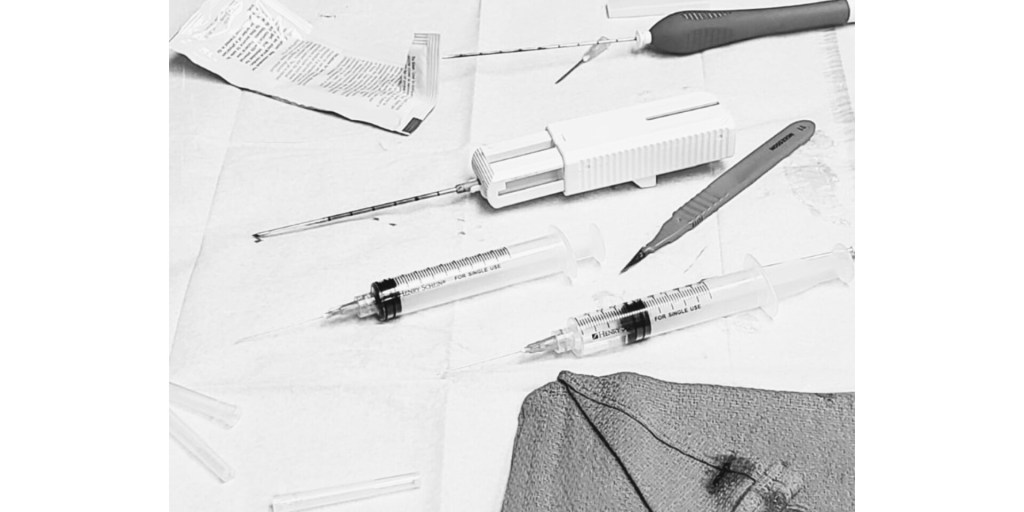
That same 12-minute drive home felt endless, my mind a whirlwind of fear and uncertainty. The following day, I embarked on an hour-long journey to undergo a biopsy while grappling with the emotional aftermath of the previous day’s revelation. The procedure felt like a scene from a horror movie – scalpels, injections, and excruciating pain. Blood flowed, and I screamed, each moment etching into my memory.
The Life-Altering Call
Five days later, while working from home, my phone rang. It was the doctor who had performed the biopsy, inquiring about my weekend. I knew what this preamble meant. Then came those dreaded words: “I’m afraid to tell you that your results came back advising that you have triple-positive breast cancer.”
In those moments, the world seemed to stand still. The details that followed became a blur; my mind unable to process the deluge of information that followed after those words. How could I break this shattering news to my loved ones?
Locked Out of Compassion
In my quest to find solace and connection among fellow breast cancer warriors, I embarked on a curious and poignant journey as I tried to gain access to a Facebook-based breast cancer support group. Freshly diagnosed and seeking local groups, I stumbled upon two private ones in Chicago. They seemed small and intimate from the outside, offering a glimmer of hope during my challenging times.
I successfully joined one of these groups, where I was welcomed with open arms. Its members radiated kindness, empathy, and love towards me and all the new breast cancer fighters. Later, they even surprised me by sending a thoughtful box filled with individually wrapped goodies, providing something to look forward to during the grueling chemo sessions. I found Twizzlers, cozy socks, lemon drops, tea, jewelry, and more – a testament to their unwavering support.
However, the other group painted a different picture. After dutifully answering all the required questions to gain access, I received a message request. Upon opening it, I was met by the group’s administrator, who bombarded me with a barrage of questions. She wanted to know how I had discovered the group, why I wanted to join, when I had been diagnosed, my location within the city or suburbs, and what I hoped to gain from membership.
When I eventually questioned whether having breast cancer wasn’t reason enough to join a breast cancer support group, she simply replied with a curt ‘no.’ Her mission, she claimed, was to protect the women in the group. I dared to suggest that her approach seemed somewhat prejudiced and, dare I say, even discriminatory. In response, I advised her to decline my request, as it became apparent that this group’s gates were not open to everyone, despite the common bond of battling breast cancer.
This disheartening episode illustrated how my pursuit of connection with fellow survivors could lead to unexpected roadblocks, even within a community that was supposed to offer unity and support.
It also began my first stark encounter with being a Black woman and navigating the healthcare system. The incident served as a precursor to the challenges I would later face. To underscore the depth of these disparities, one only needs to examine the unsettling statistics provided by (https://www.bcpp.org/resource/african-american-women-and-breast-cancer/)
- A U.S. woman’s lifetime risk of breast cancer is 1 in 8.
- Black women endure a 40% breast cancer mortality rate, the highest among any U.S. racial or ethnic group.
- The mortality rate for Black women diagnosed with breast cancer is a staggering 42% higher than that of their White counterparts.
- Among women under 40, breast cancer incidence is notably higher among African American women compared to White women.
- Triple-negative breast cancer, a particularly aggressive subtype of the disease linked to higher mortality rates, is more prevalent among African-American women than other racial or ethnic groups.
- Shockingly, breast cancer is the leading cause of cancer-related death in the U.S. for Black women.
These statistics underscore the urgent need for addressing healthcare disparities and advocating for equitable access to resources and support for all individuals affected by breast cancer, regardless of their racial or ethnic background.
The Cost of Cancer
Due to the USA’s restrictions on the U.K. due to COVID-19, my mum and brother could not visit. However, the small support system I chose to reveal what I thought was my dark secret at the time showered me with love, support, laughs, and great memories. My mum and brother often video-called when I had to self-inject medicines into my stomach, my brother cheering, “You can do it, Knelli!” I’ve never cried and laughed at the same time. Even in dark moments, there is laughter.

When I had to shave my hair off, I recall my mum making a random joke as she saw my eyes fill up through the video call as I stood looking at myself in the reflection.
The call went silent.I turned to the camera to see my mum had shaved her head, too. More tears were shed.
I woke up bald.
The following morning, I video-called my distant friend over the pond and revealed my bald head. He sat his phone down for about three minutes and returned. As I lay in bed, I saw my now bald friend through my phone. He, too, shaved his head. I told him his then-fiancée, now wife, would be furious. He laughed and said she’d survive.
I navigated this treacherous path literally as a lone traveler in a foreign land. The mirror revealed a reflection of myself that had drastically changed – bald, skinny, with a round moon face due to the effects of chemotherapy. I had shed nearly 30 pounds during my ordeal, and while some well-meaning friends attempted to lift my spirits by exclaiming how “great” I looked, looking back at those pictures was as though they were trying to paint a silver lining on a storm cloud, not realizing that sometimes, acknowledging the darkness is more empathetic than ignoring it.
The challenges didn’t stop with the physical toll. As I continued my fight against breast cancer, I faced the daunting job loss task. But amidst the turbulence, a shining beacon emerged on the horizon – an opportunity for a new job with a fantastic employer who offered support beyond my wildest expectations. The contrast between the darkness of my past and the brightness of this new beginning was stark, and it served as a testament to the resilience of the human spirit.
Despite these challenges, I discovered the positive aspect of forming new friendships and fortifying existing connections. Genuine love and care.
However, on the other hand, the weight of my diagnosis proved too heavy for some friendships to bear. Friends who once stood by my side withdrew, citing a lack of time to justify their absence. The battles I fought became too much for them, and our connections frayed.
This is when I discovered the term cancer-ghosting.
Throughout my journey, I had the opportunity to support other women who found themselves in similar circumstances, balancing their careers and breast cancer. I became a beacon of hope for those battling breast cancer, offering guidance, solace, and understanding. It was a way for me to give back, to ensure that no one felt as alone as I had during my darkest moments.
A Battle Fought with Resilience
From the day I received my breast cancer diagnosis, my life transformed into a whirlwind of consultations, treatments, and challenges. I navigated fertility treatments, chemotherapy, radiation, blood transfusions, and several hospitalizations. Each day brought new battles, including extreme body pain, treatment side effects, weight gain, weight loss, mobility issues, and more. I even had a double mastectomy, a choice I still contemplate today, uncertain if it was the right one, but knowing it was the right decision for me at the time. The physical and emotional challenges took me to the depths of despair and the heights of hope.

One hospitalization, in particular, occurred just two days after Thanksgiving in 2022, resulting in me almost losing my life. I had the hospital’s spiritual care team have me complete power of attorney paperwork, and they asked what they should do if I ended up in the ICU on life support. It was a stark reminder of the fragility of life and the gravity of my battle.
During this critical time, my job displayed unwavering support and compassion as they flew my mum out on an emergency medical flight within two days, ensuring I had my family by my side when I needed them most.
I had 15 specialist doctors who worked to find the cause and remedy. After two weeks, my body began to heal.
I now have multiple battle scars, and adjusting to the new me is an ongoing journey. But through it all, I found resilience and an unyielding spirit. I discovered the power of support groups, therapy, and the kindness of strangers. My journey has been marked by sorrow but also by incredible friendships, newfound purpose, and a fresh perspective on life.
Some may ask, “Why didn’t or don’t you go home where your family is?” Two reasons. One is the healthcare system (NHS). As much as people think the NHS is great, it’s the opposite. A recent report highlighted that since COVID, there has been a 44.1% reduction in breast cancer screening for women over 45 in the UK. Currently, it’s challenging to get screening if you’re under 50. Simply put, I chose to stay here and pay for better healthcare.
And then there’s the second reason – no one else knows outside my immediate family. For those familiar with Caribbean families, it would have been a headf**k. I would have constantly been reminded about Shelly Ann’s neighbor’s daughter or Winston’s great auntie who died from it. The weight of those expectations and comparisons would have only added to the burden I was already carrying.
Through the turmoil and uncertainty, I’ve understood that resilience isn’t just about bouncing back; it’s about pushing forward even when the path is shrouded in darkness. It’s about embracing the support that comes your way, even if it’s unexpected, and finding the strength to keep going.
Today, I stand before you as cancer-free!
Forever grateful and even more thankful. Meeting people diagnosed at the same time as me and didn’t make it reminds me that I’m here for a reason. My journey is far from over, and I still face challenges on the horizon. But as I stand here today, cancer-free and undefeated, I am a survivor, a warrior, and a testament to the unbreakable human spirit. My battle with breast cancer has revealed a depth of courage I never knew I possessed, and I am determined to use that strength to inspire others and make a difference in the world.
So, as I continue down this newfound path, I do so with my head held high and my heart full of hope. I am living in my fearless truth, sharing my story with the world and proving that we can find beauty, strength, resilience, genuine friendships, newfound purpose, and a fresh perspective on life, even in the face of adversity.
Continuing the Journey
Today, I’m sharing this story to update you and create a space where we can openly discuss the challenges life throws our way. I’ll document my ongoing journey as I continue treatment here, offering support and encouragement to those facing similar trials.
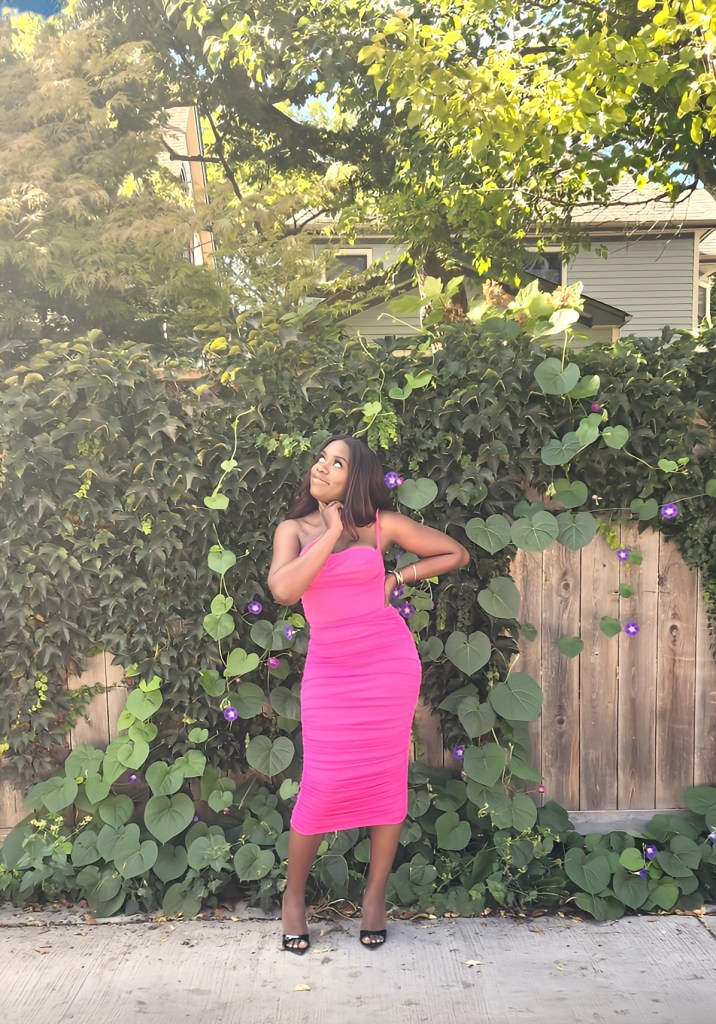
As we embark on this journey together, remember that even in the darkest moments, there’s room for laughter, strength, and truth. Life may throw us lemons, but we make strawberry lemonade.
“Reduction in women screened for breast cancer between 2020 and 2021, NHS report finds” by Lilly Matson, 25 February 2022, [https://news.cancerresearchuk.org/2022/02/25/reduction-in-women-screened-for-breast-cancer-between-2020-and-2021-nhs-report-finds/](https://news.cancerresearchuk.org/2022/02/25/reduction-in-women-screened-for-breast-cancer-between-2020-and-2021-nhs-report-finds/)
“African American Women and Breast Cancer.” [https://www.bcpp.org/resource/african-american-women-and-breast-cancer/](https://www.bcpp.org/resource/african-american-women-and-breast-cancer/), sourced from the following references:
1. Howlader N, Noone AM, Krapcho M, et al. (eds). SEER Cancer Statistics Review, 1975–2017, National Cancer Institute. Bethesda, MD, [https://seer.cancer.gov/csr/1975_2017/](https://seer.cancer.gov/csr/1975_2017/), based on November 2019 SEER data submission, posted to the SEER web site, April 2020.
2. Giaquinto, A.N., Sung, H., Miller, K.D., Kramer, J.L., Newman, L.A., Minihan, A., Jemal, A. and Siegel, R.L. (2022), Breast Cancer Statistics, 2022. CA A Cancer J Clin. [https://doi.org/10.3322/caac.21754](https://doi.org/10.3322/caac.21754)
3. DeSantis CE, Siegel RL, Sauer AG, et al. Cancer statistics for African Americans, 2016: Progress and opportunities in reducing racial disparities: Cancer Statistics for African Americans, 2016. CA Cancer J Clin. 2016;66:290-308.


 English Tea, American Coffee...
Leave a reply to Lajuan Evans Cancel reply